

Knowing where the fish comes from.
Our logbook, our suppliers and respect for every catch: this is how we approach traceability at Abarike.
Discover ↓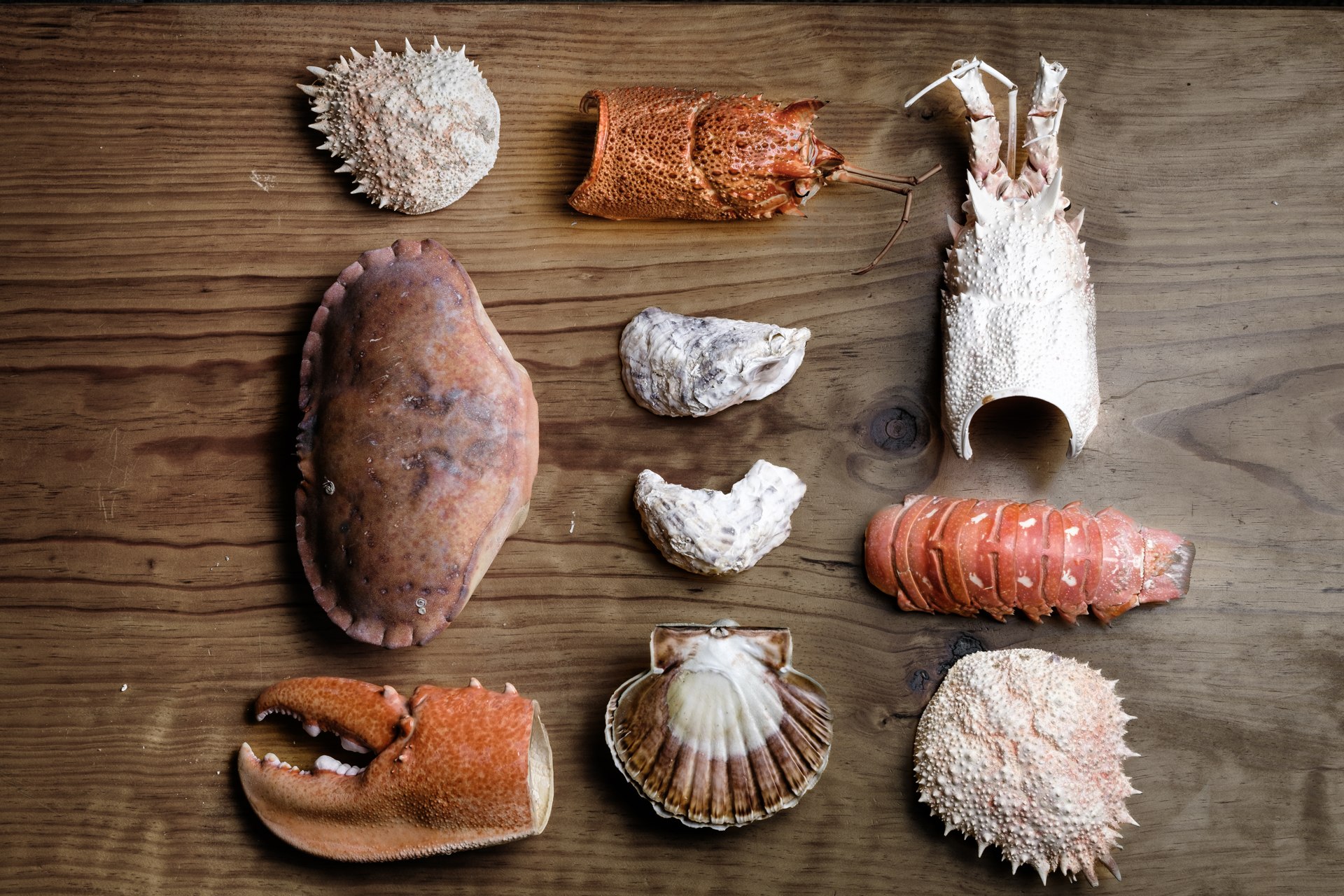
Provenance is part of the dish too.
Before transforming fish or shellfish, our kitchen pays attention to its origin and season. Abarike’s logbook shares that information with guests: where the ingredient comes from and how it was caught. Traceability gives context to what is served.
What the logbook brings to the table.
The logbook makes the work that precedes the kitchen visible. It opens a conversation about provenance, fishing methods and how ingredients are caught. For details about the product available during a particular service, ask our team: a general page cannot replace the information for each catch.
FAO 27.8 and our reference for provenance.
At Abarike, the Cantabrian Atlantic and FAO area 27.8 identify our reference for provenance. The Cantabrian Sea guides Lara Roguez’s cooking, while the season and the catch define the selection. That general reference is completed by the provenance of the product presented at the table.
Abarike’s origins ↗People and places behind the menu.
Pescados y Mariscos Noyger is our principal supplier. Our trusted suppliers also include Rula de Avilés, Acueo, Roots and AsturHongo. On the menu, the oysters are identified as coming from the Eo estuary and the scallops from Cambados. These specific references help guests connect with the origin of each preparation.
Meet our suppliers ↗Respecting ingredients beyond the kitchen.
Making thoughtful use of ingredients is part of this approach. Shellfish shells become tableware through an artisanal process. We exchange glass containers with our nearby vegetable grower to reduce waste. Care for ingredients continues through preparation, use and what remains after service.
View the fish and seafood menu ↗The Cantabrian Sea, at our table.
Melquiades Álvarez, 3 · 33201 Gijón